Do you know?
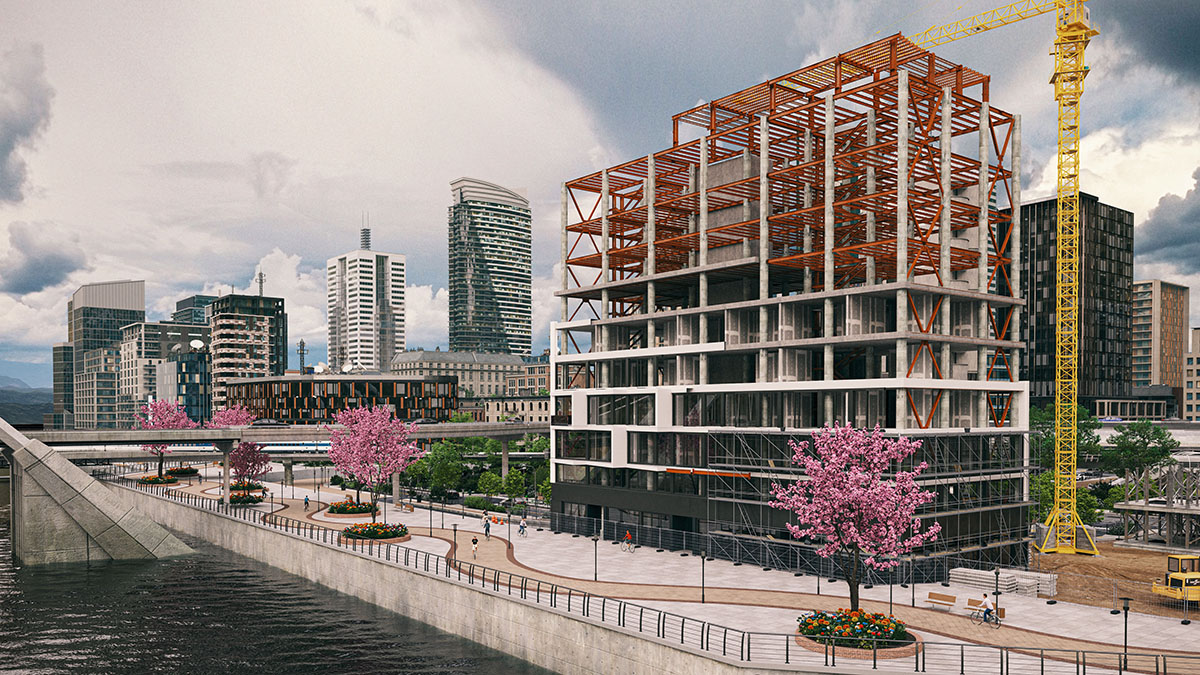
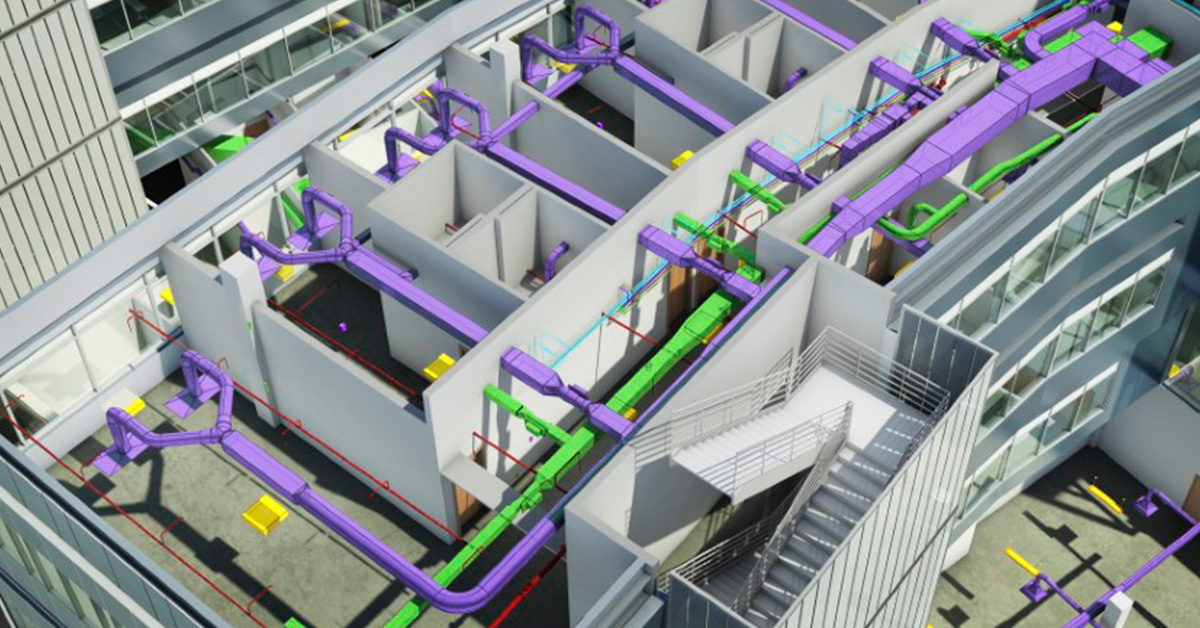
BIM process enable stake owner to design, visualize, simulate, and analyze the key physical and functional characteristics of a project digitally before they build it.
Malaysia Is Expanding BIM Adoption Across Government and Private Projects
The Malaysian Government is taking a major step towards digital transformation in the construction industry by expanding the adoption of Building Information Modelling (BIM) across both government and private sector projects.
During the Mesyuarat Tindakan Pembangunan Negara (MTPN) Bilangan 1 Tahun 2024 held on 7 June 2024 and chaired by the Prime Minister of Malaysia, it was agreed that the use of BIM will be expanded for all government and private development projects nationwide.
In support of this mandate, Treasury Circular PK 1.15 was introduced to provide comprehensive guidelines for BIM implementation in government development projects and asset management, effective from 1 July 2025.
The guideline outlines BIM implementation across the entire project lifecycle — including planning, design, construction, asset management, and facility management — while covering BIM dimensions (3D to 7D), Level of Development (LOD), governance structure, technology requirements, and project deliverables.
Under RMKe-13, BIM adoption will be optimized for government building and infrastructure projects valued at RM10 million and above, reflecting Malaysia’s commitment towards smarter, more efficient, and sustainable digital construction practices.
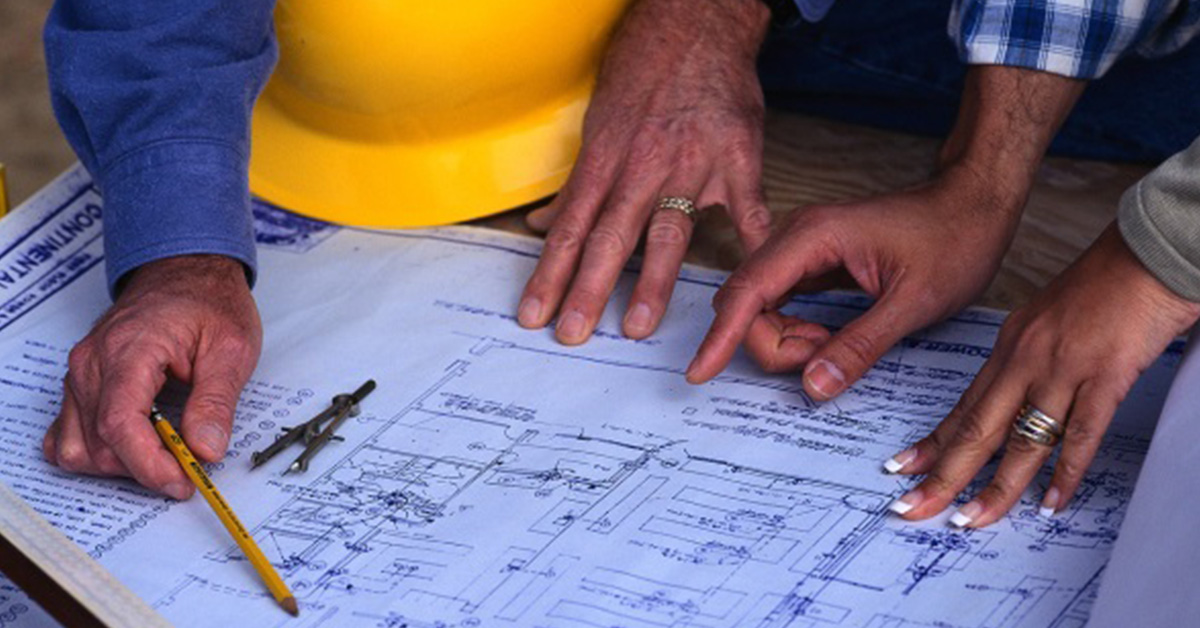
Reduced construction costs
McKinsey study found that 75% of companies that have adopted BIM reported positive returns and on their investments. Closer collaboration with contractors can lead to reductions in tender risk premiums, lower insurance costs, fewer overall variations, and fewer opportunities for claims. Clashes can be detected along the BIM process to eliminate the need for changes during construction stage.
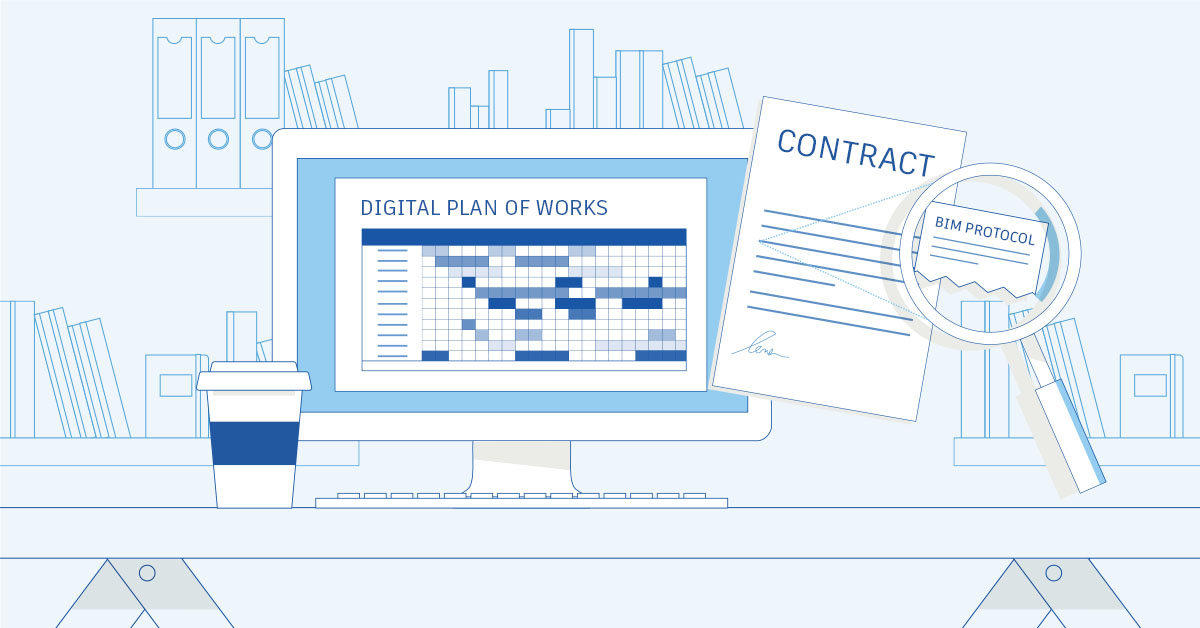
Improve project efficiency
BIM has the advantage of being faster and efficiency as there’s less need for rework or duplication of drawing for the different requirements of the building disciplines using a shared model. The model contains more information than a drawing set, allowing each discipline to annotate and connect its intelligence to the project.
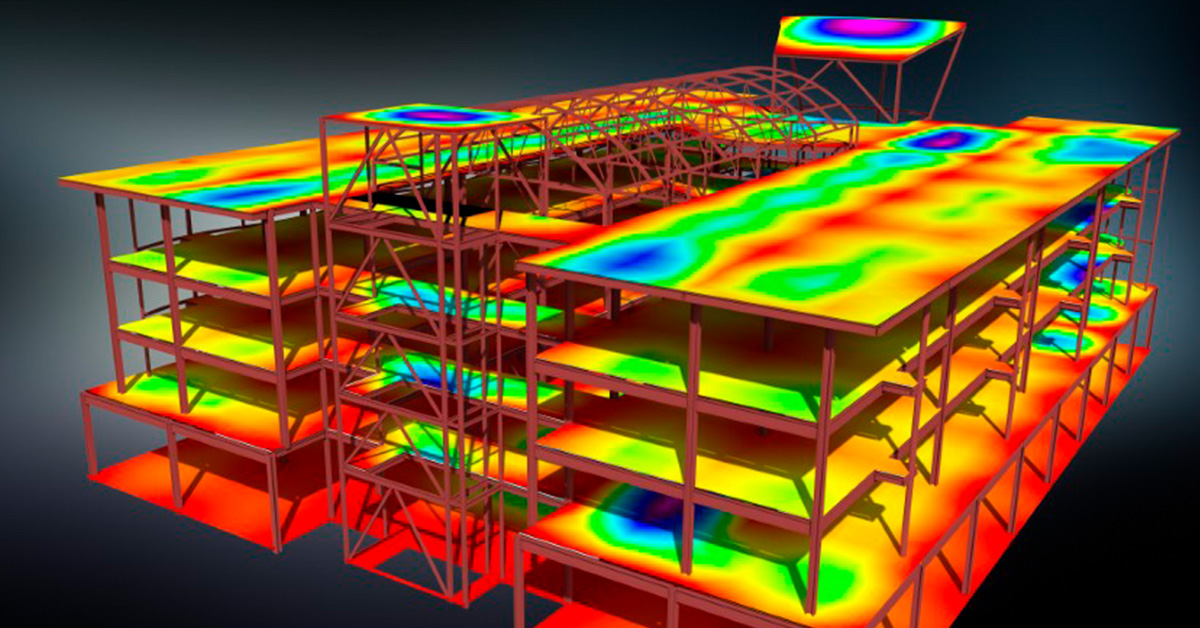
Better design visualization
Stronger Facility Management and Building Handover